


A peculiar thing that happens when we become serious about photography.
We start by taking pictures of things we like. A beautiful patch of light. An interesting face. A crooked building. A chair. Somewhere along the way, we start wondering if we’re doing it right.
We learn all about composition rules, color theory, famous photographers, editing techniques, and what supposedly makes a photograph good. We follow photographers whose work we admire. We watch tutorials, download presets, and spend an unreasonable amount of time comparing images of the same street corner.
Before you know it, you’re no longer asking, “Do I like this photo?” You’re asking, “Will other people like this photo?”
I’ve been shooting long enough to realize that developing your own eye isn’t only about learning to see better. It’s also about unlearning the need for everyone else to approve of what you see.
Here are 10 things I’ve learned along the way.
1. Just because a photo is technically good doesn’t mean we have to like it
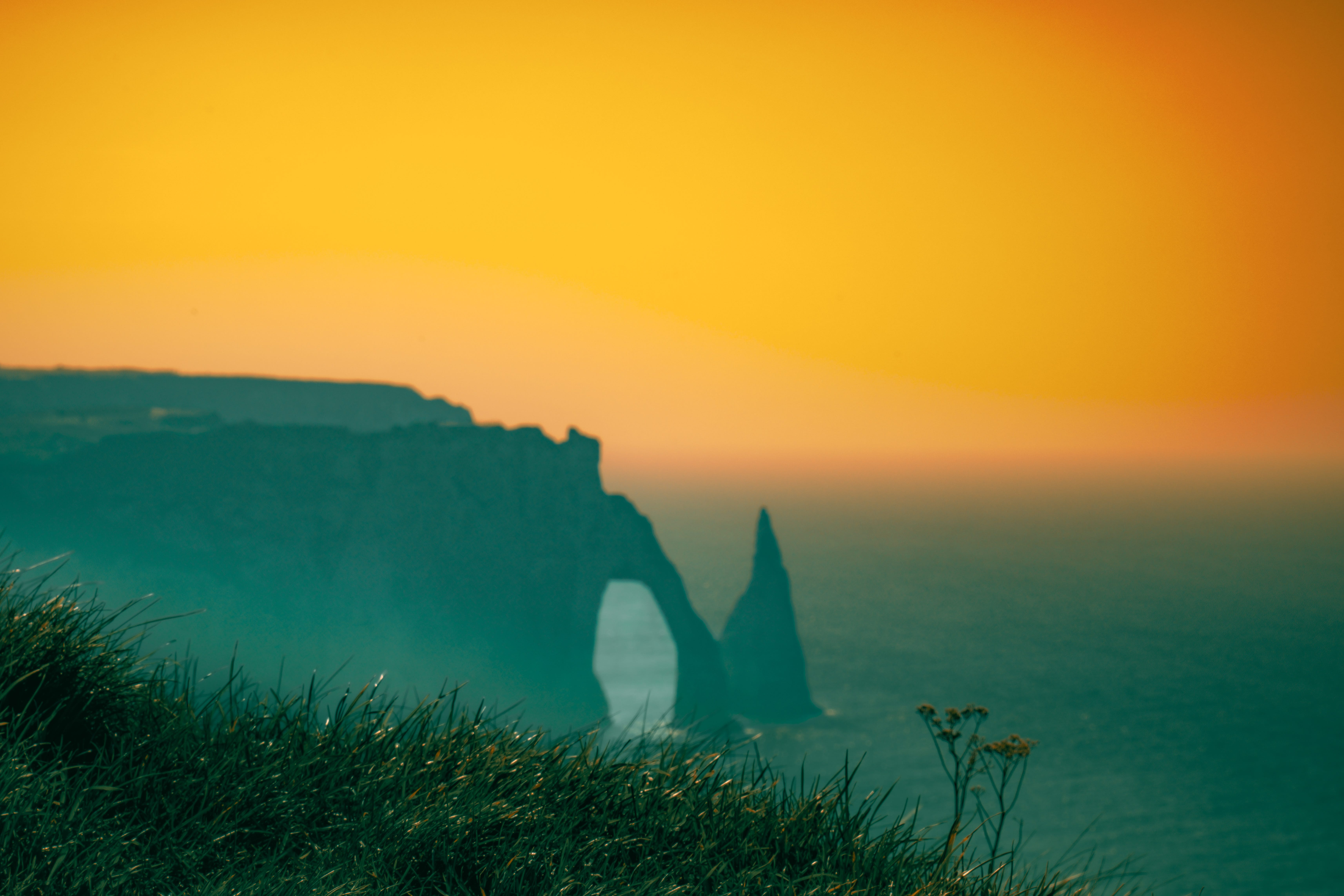
Some photos are technically flawless. Perfect exposure. Impeccable sharpness. Beautifully balanced composition. Every pixel behaving exactly as it should. And yet, they leave me completely indifferent.
Meanwhile, I can often find myself staring at a blurry photograph of an unremarkable street corner because something about it feels so right. Technical proficiency matters, of course. Understanding your camera gives you more control over your photos. But technical excellence and emotional impact are not the same thing.
The photo that stays with you could be the one that breaks every rule you’ve spent years learning.
A photo can be technically excellent without being interesting to you. And that’s perfectly fine.
2. Stop confusing popularity with quality
It’s easy to believe that photos receiving thousands of likes must somehow be better than those receiving twenty. But popularity measures a particular kind of response, from a particular audience, at a particular moment. It doesn’t measure everything that makes it worthwhile.
Some of my favorite photos are the ones that barely attract any attention. Others, which I consider relatively ordinary, seem to resonate with people far more than I expected. I’ve stopped trying to make sense of it. Well, mostly.
Remeber that the algorithm has no particular interest in your artistic development. It has other priorities, none of which involve nurturing your creative soul.
Make photos you believe in, even when the internet responds with resounding silence.
3. Influences should inspire us, not become instructions
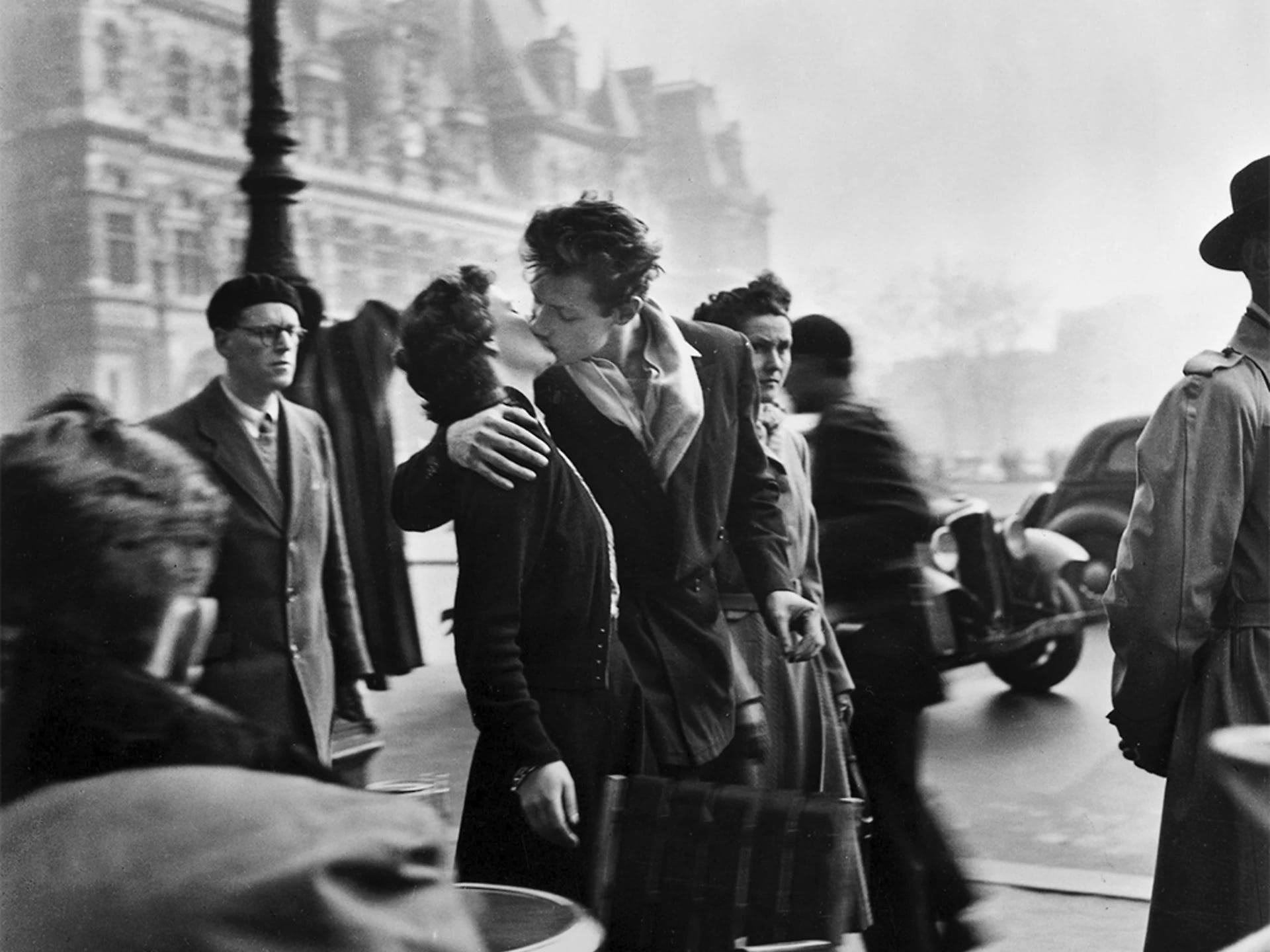
We all borrow from what we love. A particular photographer’s use of shadows. The color palette of a film. The way a painter arranges still life. There is nothing wrong with being influenced. It’s almost impossible to create anything without being influenced by something.
There is a difference between appreciating someone else’s work and trying to reproduce their vision. I have admired photographers whose work look nothing like mine. I can recognize their brilliance without wanting to photograph the world the way they do. That distinction matters.
Admiration doesn’t have to become imitation.
4. A recognizable aesthetic is not a pre-requisite to have a photographic identity
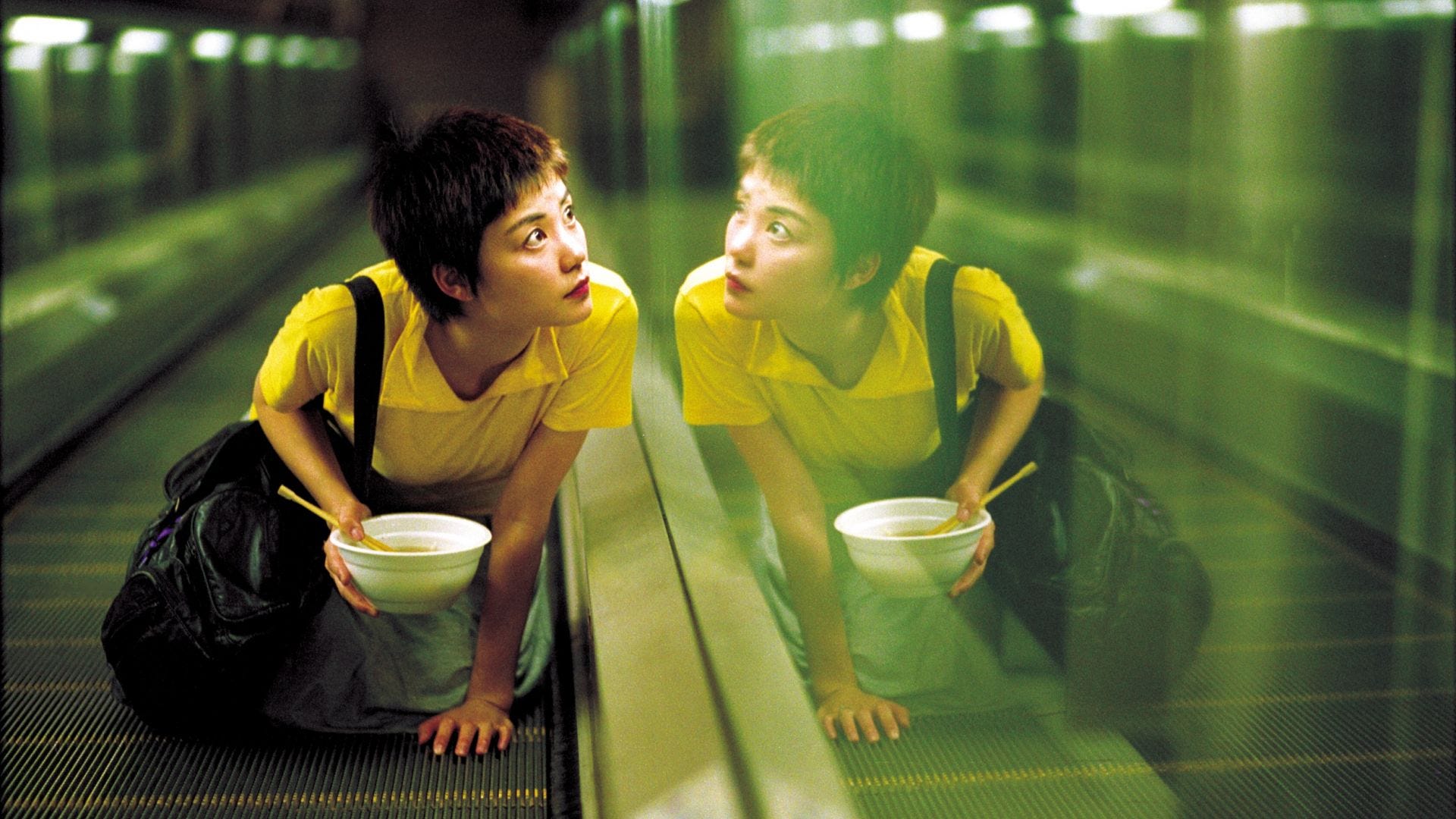
There’s a lot of pressure to develop a signature style. A consistent color palette. A particular editing technique. A recognizable subject. Something that makes people say, “Oh, I knew that was your photo.”
Personally, I enjoy too many styles to commit myself to just one. I like the precision of architecture, the unpredictability of street photography, the imperfections of film, and the deliberate control of studio portraits. Sometimes I want deep shadows and dramatic lighting. Other times, I want soft colors and a nostalgic atmosphere.
Those interests don’t contradict each other. They are all the ways I experience the world. Consistency can be useful, but curiosity is far more interesting.
Photographic identity need not be a preset applied to everything.
5. Presets can present a look, they can’t present a point of view
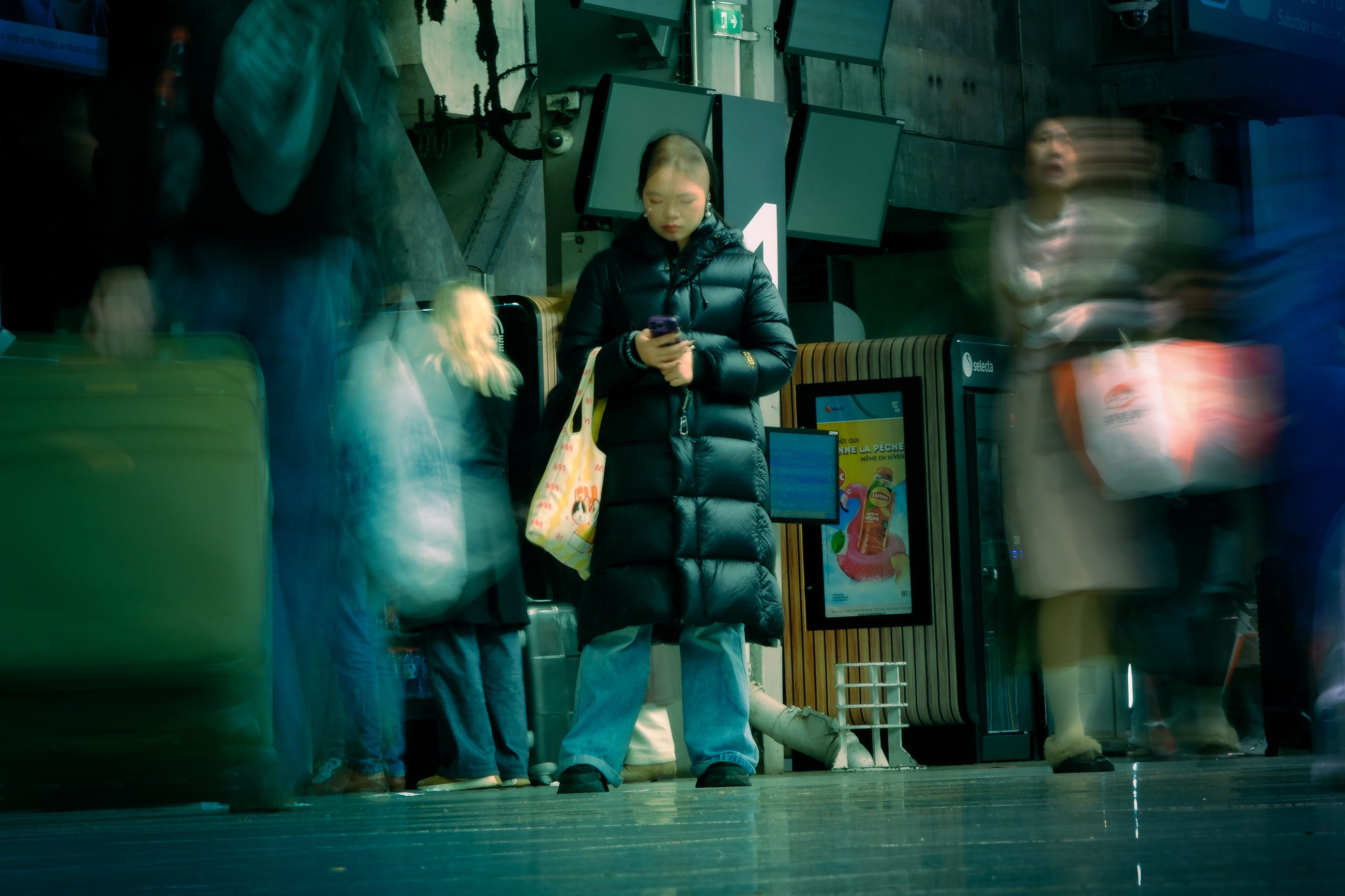
I have nothing against presets.
They’re convenient, they can be useful learning tools, and they provide a good starting point for editing. But it’s worth asking ourselves whether we actually like a particular aesthetic or whether we’ve simply seen it so many times that we’ve come to associate it with good photography.
We know the looks. The muted greens. The creamy highlights. The cinematic teal shadows. The nostalgic film tones applied to photos taken 3 minutes ago.
Some are beautiful. But a consistent color grade isn’t the same as having something to say. A preset can influence how a photo looks. It cannot decide why we took it.
I’d argue that the why is considerably more interesting.
6. Photograph things that others might find boring
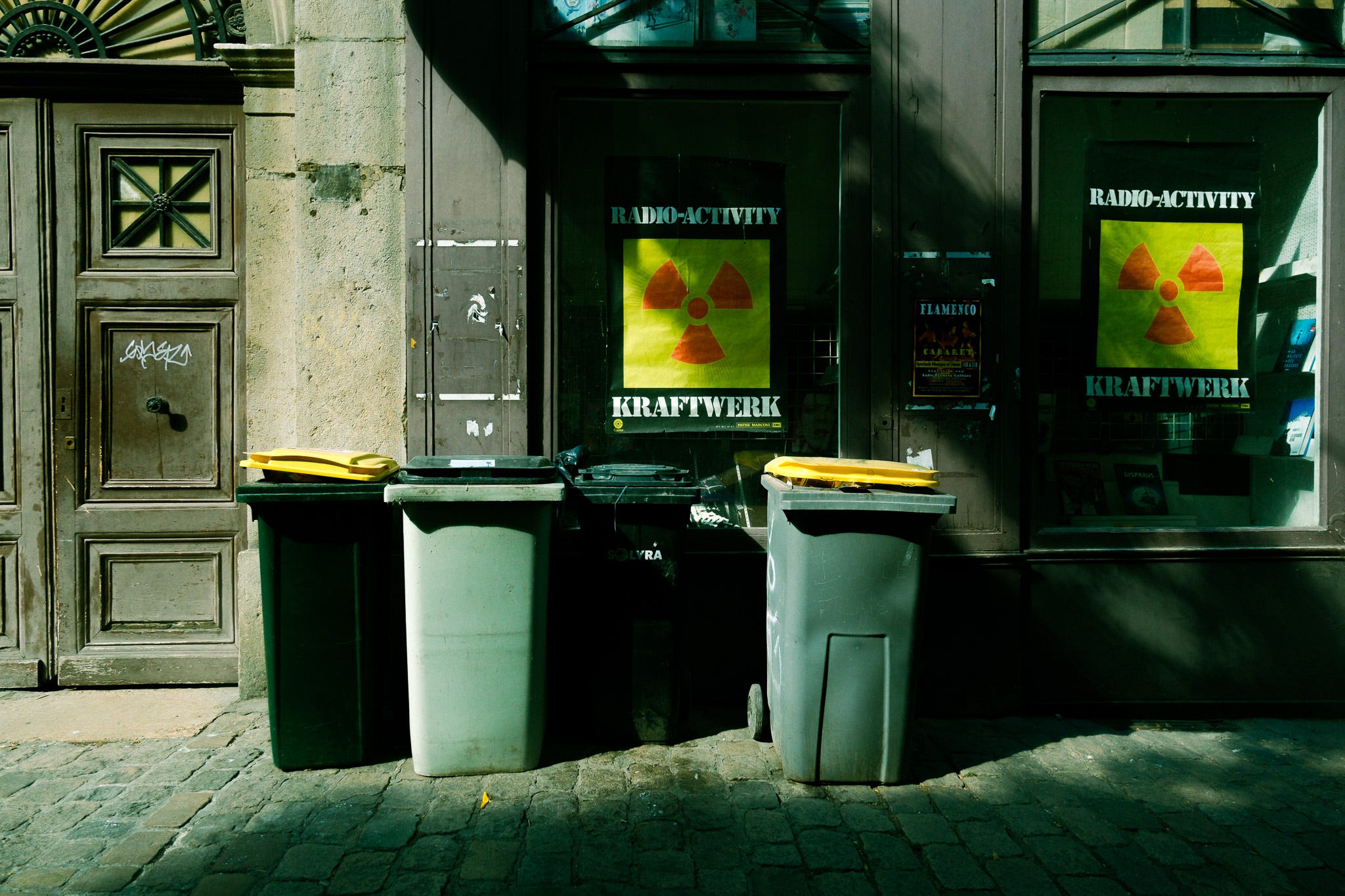
Some of my favorite subjects are not particularly impressive. Doors. Windows. Empty streets. Ordinary buildings. Shadows. Abandoned chairs. I have a collection of photos of things that most people would probably walk past. And I like that.
Photography has taught me that my attention need not be justified by the importance of the subject. Sometimes a chair is just a very good chair.
I don’t need a spectacular landscape, an famous person, or a once-in-a-lifetime event to make a photo worth keeping.
If something makes me stop and look, that’s a reason.
I don’t owe anyone an explanation.
7. Look at your old photographs, they’re trying to tell you something
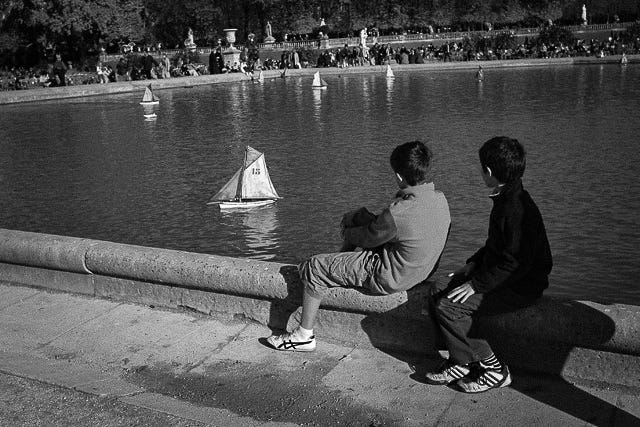
One of the most interesting things I’ve done is revisit photos I’ve taken years ago. Not necessarily the ones I posted online or considered my best work. The forgotten ones. The ones sitting in folders with questionable file names, buried somewhere on a hard drive.
When you look at enough of them, patterns begin to emerge. Perhaps you’ve always been drawn to certain colors. Perhaps you repeatedly photograph people from behind, empty spaces, reflections, or the same particular quality of light.
You may discover that your personal style was developing long before you consciously tried to create one. Our preferences often reveal themselves through repetition.
Sometimes our photographic voice is already there. We just haven’t been paying attention to it.
8. Learn the rules, then decide which ones to follow
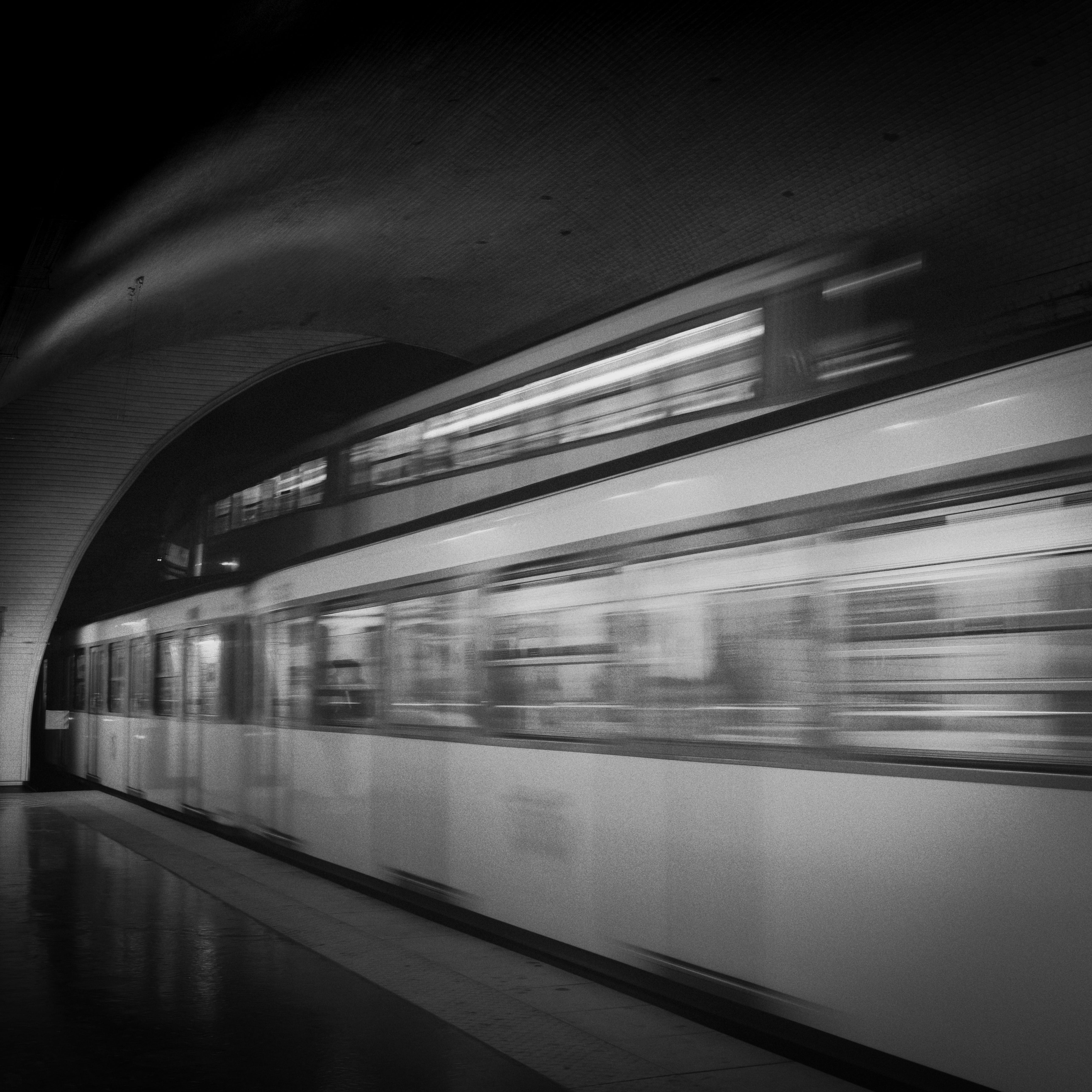
Understanding photographic fundamentals is essential. Learning the nuances of exposure, composition, lighting, and technique are all valuable tools. But I’ve never understood why some treat these rules as though breaking them would constitute a criminal offense.
The rule of thirds is useful. So are leading lines, symmetry, and all the other principles we learn. They are only tools, not commandments. Recommendatory guidelines, so to speak.
The question isn’t whether a photograph follows the rules. It’s whether the decisions you made serve the image you wanted to create.
Knowing the rules gives us options. Trusting our eye helps us choose and make decisions.
9. Take photos not intended for sharing online
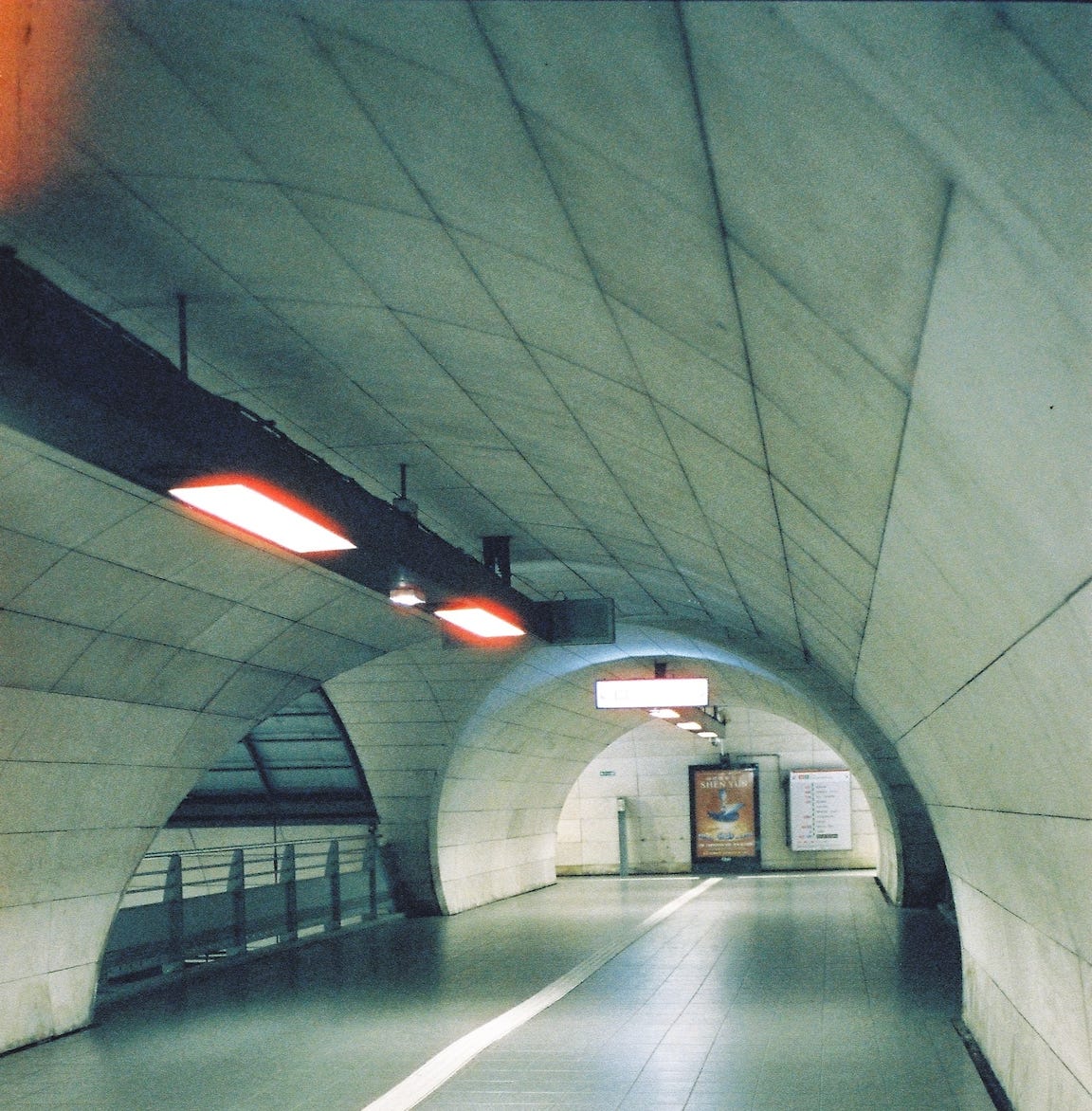
This one has become important to me.
When I regularly share work online, it’s surprisingly easy to begin with the audience in mind, even before pressing the shutter. Would this work as a carousel? Is this interesting enough for Instagram? Does it fit my aesthetic? What would the caption be? It needs to be a vertical photo.
It’s exhausting.
It ruins the simple pleasure of shooting.
Some images deserve to exist without becoming content. Some are personal experiments. Some are memories.
Not everything needs to be published, explained, evaluated, or transformed into an opportunity for engagement.
Take photographs that belong only to you.
10. Accept that not everyone will see what you see
Perhaps this is the most difficult lesson. I can love a photo, show it to someone, and receive a completely indifferent response. Or worse, “I don’t get it.” That’s fine. We’re not all looking for the same things.
A photograph can remind us of a particular afternoon, a conversation, a piece of music, or a feeling we can’t quite explain. Someone else sees a wall. I see something worth remembering. Neither reaction necessarily invalidates the other.
If everyone saw the world in precisely the same way, there wouldn’t be much point in having so many photographers.
In the end, trust your vision
Developing personal taste does not mean becoming immune to criticism.
There is always something to learn from other photographers. There are always techniques to improve, perspectives to consider, and assumptions worth questioning.
But learning from others shouldn’t require abandoning your own instincts.
We can accept constructive criticism without treating every opinion as an instruction. We can experiment with trends without allowing them to define our work.
And we can love a photograph no one else does.
The more time I spend with a camera, the more I realize that the photographs I value aren’t necessarily the most technically accomplished, nor the most popular.
They’re the ones that speak to me, regardless of whether they speak to anyone else.
Learning to trust your own eye isn’t just about becoming more confident that your photos are good. It’s about becoming comfortable with the possibility that other people won’t like them.
Photograph the strange light on an otherwise unremarkable wall. The empty chair. The blurry stranger. The badly lit street that reminds you of a film you once loved.
We don’t have to explain why we stopped.
We saw something worth remembering. That’s enough.
Have you ever taken a photograph you absolutely loved, only to find out that nobody else seemed particularly interested in it? Or have you ever changed the way you shoot because of what you thought others wanted to see?
I’d love to hear your thoughts.
Very insightful and a good read.
Thank You.